Firmware output
Generated OpenWrt images, rootfs archives, checksums, build metadata, and board profile artifacts.
Embedded Linux Portfolio Project
Complete OpenWrt-based firmware platform with bootloader support, generated firmware images, custom kernel drivers, native services, network configuration, and a SkyLog300 browser UI for board operation.
Overview
This project extended OpenWrt into a firmware platform tailored to Zynq-based hardware. The system produces board-specific image artifacts, boots over serial, brings up Ethernet interfaces, loads custom packet processing drivers, and exposes status, logging, and configuration through a branded SkyLog300 web interface.
Generated OpenWrt images, rootfs archives, checksums, build metadata, and board profile artifacts.
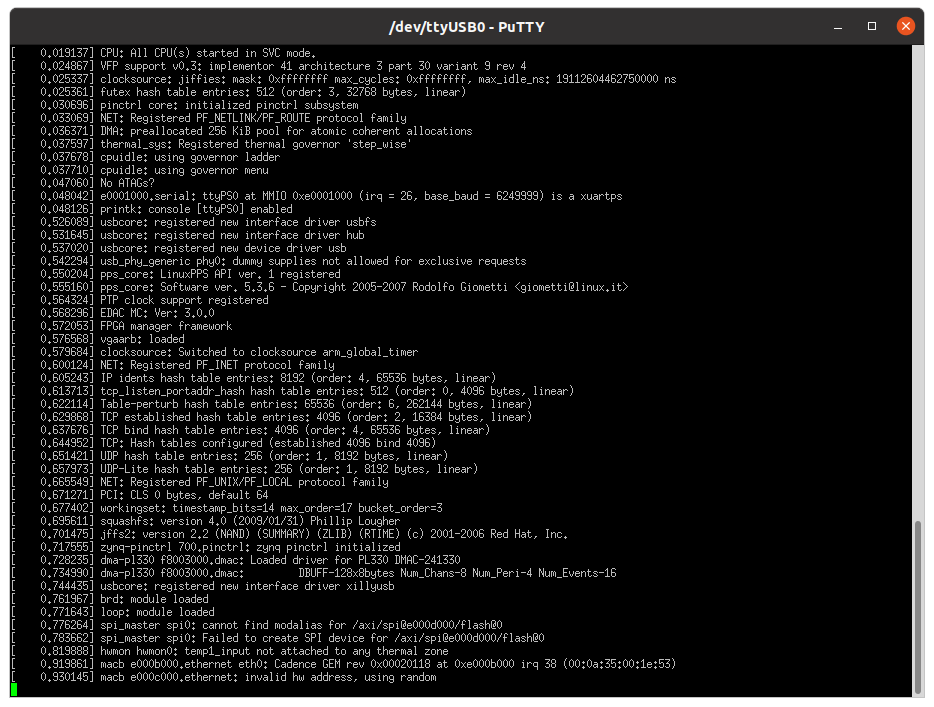
Network TAP, packet filter, MDIO, and traffic controller drivers probe successfully during target boot.
Custom LuCI pages expose system status, memory, routing, firewall, logging, and SkyLogger workflows.
My Work
Connected the board to the OpenWrt build system so output artifacts include board images, rootfs packages, build information, profiles, and checksums.
Added a U-Boot defconfig, bootloader device tree, SD boot commands, flash support, and hardware initialization for clocks, memory, pins, and peripherals.
Defined board memory, Ethernet, serial, SD card, and programmable-logic blocks required by the OpenWrt Linux image.
Integrated custom Network TAP, packet filter, MDIO, and traffic controller drivers and verified successful probe messages on boot.
Packaged target-side services for device logic, diagnostics, logging, network control, and board-specific operations.
Customized the LuCI experience into a SkyLog300 interface with status, network, and SkyLogger pages for browser-based operation.
Bring-Up Evidence
The build produces board-specific OpenWrt images, rootfs archives, metadata, profiles, and checksums ready for deployment.
Serial logs confirm the Linux image starts, initializes subsystems, mounts storage, and reaches the OpenWrt runtime.
The target exposes interfaces through OpenWrt networking, including a configured bridge address for browser access.
Firmware image
  -> board image artifacts
  -> OpenWrt rootfs
  -> package metadata
  -> custom network drivers
  -> SkyLog300 web interface
  -> SkyLogger capture workflow
Technical Scope
Board profiles, package recipes, generated image artifacts, rootfs contents, and target-specific firmware output.
U-Boot SPL, board defconfig, boot scripts, FIT image booting, QSPI/SD boot paths, and hardware initialization.
Device tree binding, custom network driver packaging, module integration, probe validation, and runtime diagnostics.
C utilities, system services, LuCI customization, board controls, logs, status views, and capture workflows.
Project Gallery
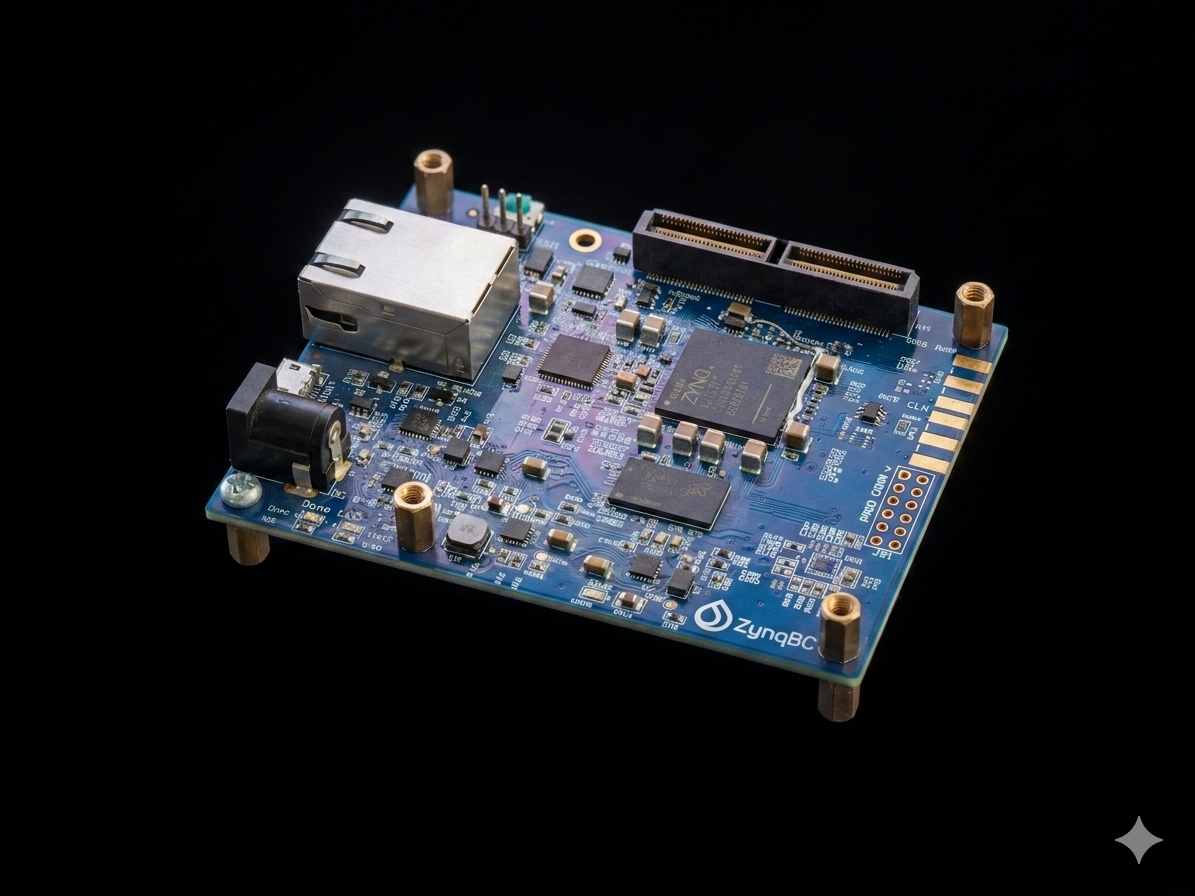
Zynq-based embedded hardware targeted by the custom OpenWrt firmware build.
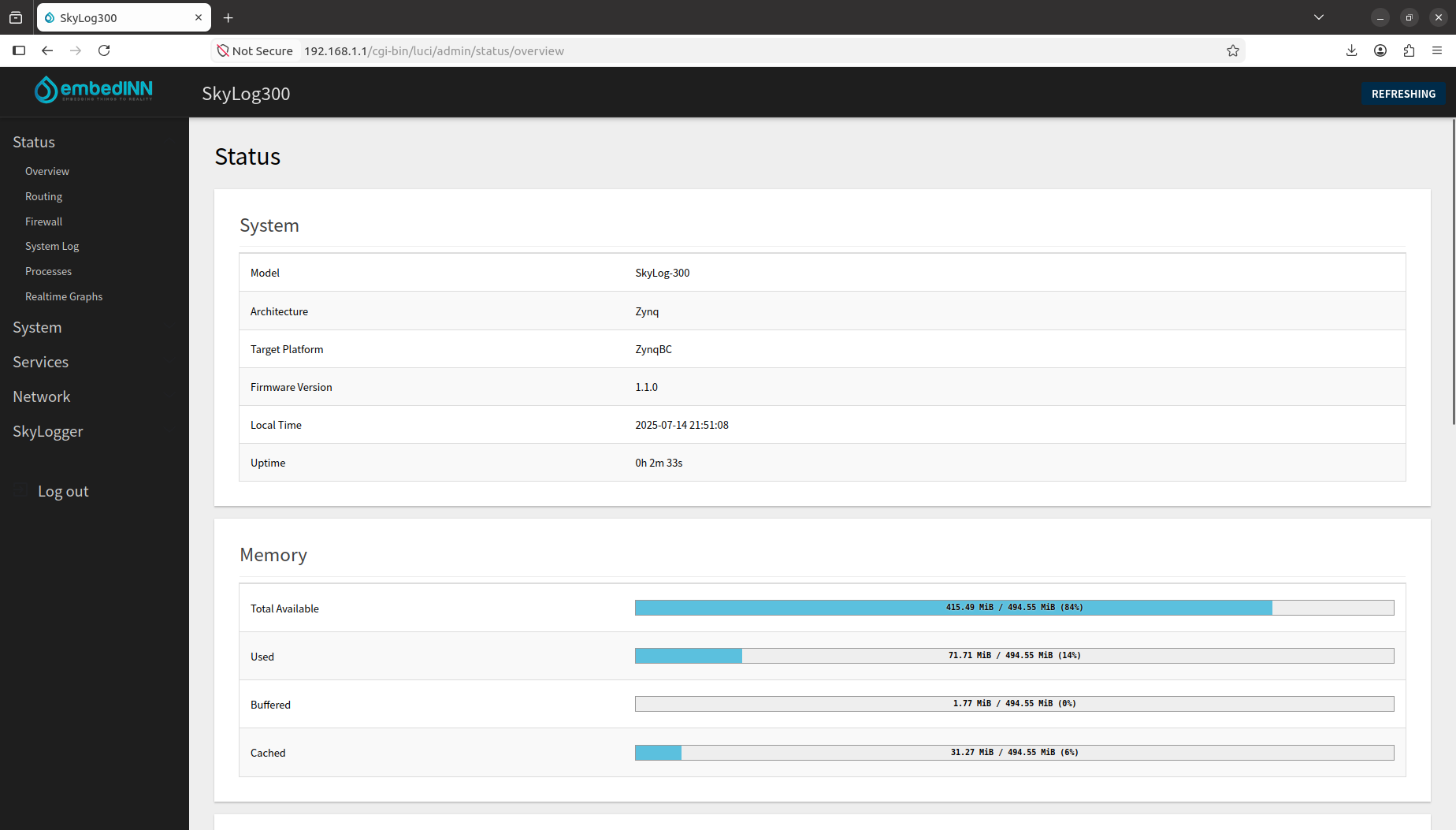
LuCI-based dashboard showing model, architecture, firmware version, uptime, and memory status.

Build output includes packages, profiles, checksums, rootfs, and board-specific OpenWrt images.
Target console showing Linux subsystem initialization and OpenWrt boot progress.
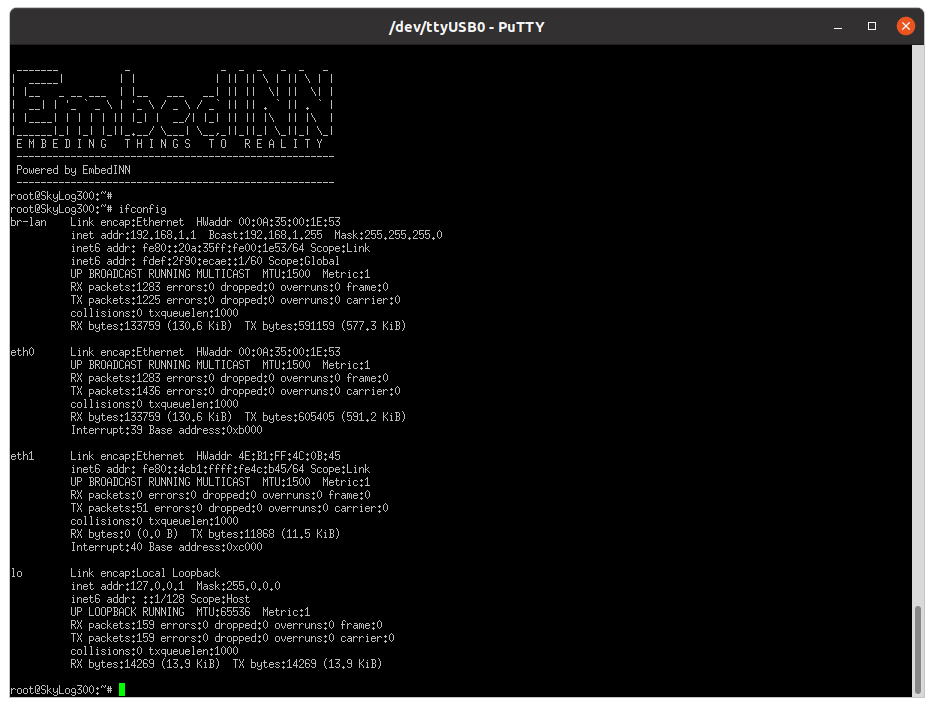
OpenWrt shell output showing bridge and Ethernet interfaces, packet counters, and configured access address.
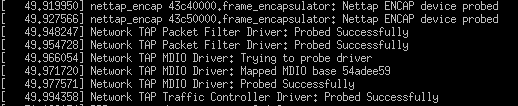
Kernel log output confirming Network TAP, packet filter, MDIO, and traffic controller drivers loaded successfully.
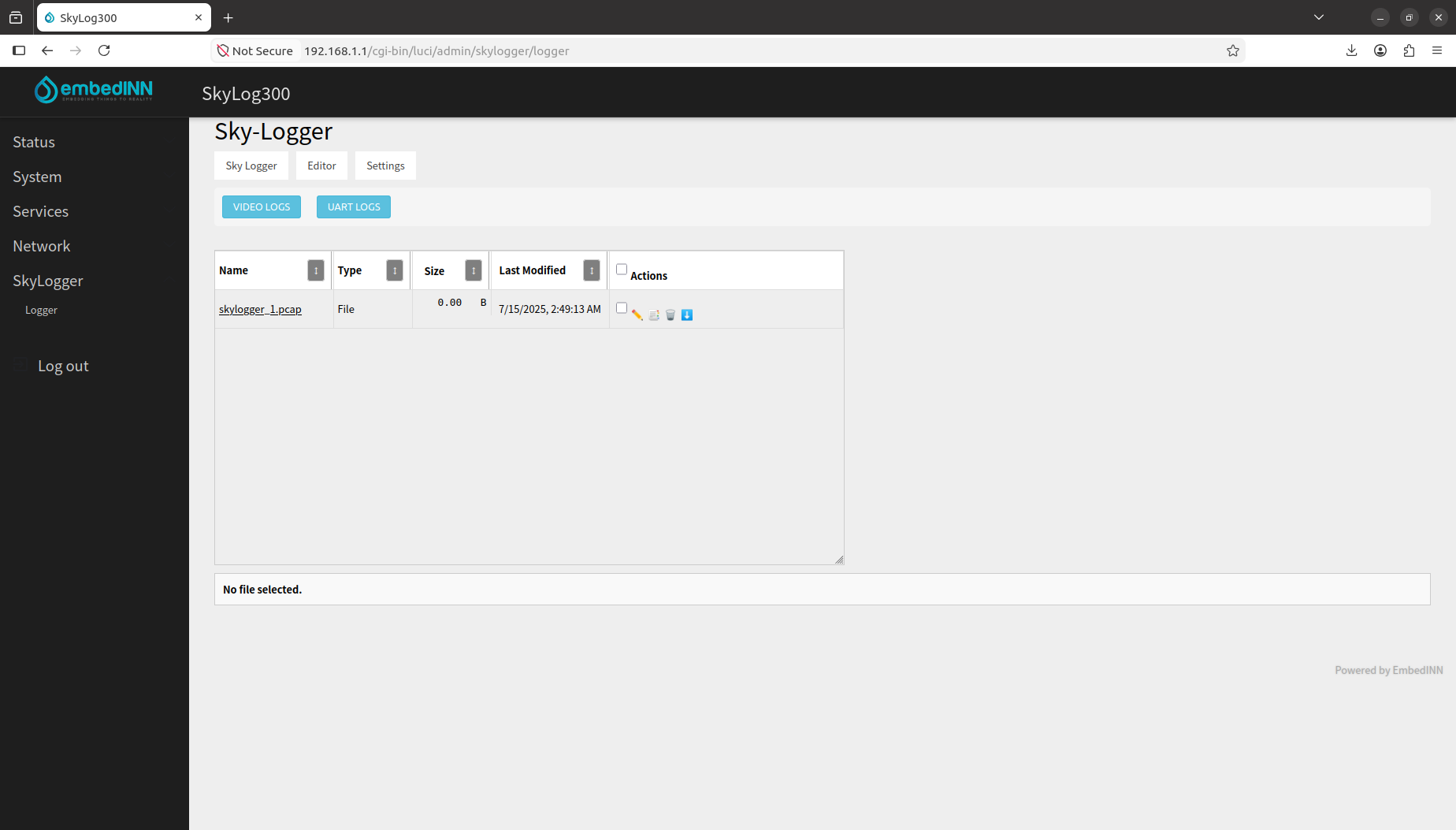
Browser UI for packet log capture, file listing, and log management inside the custom OpenWrt application.
Things I Learned
This project strengthened my understanding of how an embedded Linux system moves from bootloader handoff to kernel initialization, driver probing, network availability, and user-space services.
I learned how to read serial boot logs carefully, identify where Linux is in the init sequence, and separate bootloader, kernel, driver, and user-space issues.
I improved how I describe board hardware to Linux, especially memory, Ethernet, serial, SD card, and programmable-logic peripherals used by custom drivers.
I learned how custom kernel modules fit into an OpenWrt image, how probe messages confirm hardware binding, and how logs reveal missing resources or mapping issues.
I gained practical experience with Linux interfaces, bridge configuration, IP assignment, packet counters, Ethernet status, and browser access to the target device.
I learned how OpenWrt packages kernel modules, C utilities, scripts, and UI files into the root filesystem so the deployed image contains the complete product stack.
I became faster at using console output, module probe logs, interface status, and generated firmware artifacts to prove whether each Linux layer is working correctly.
Outcome
The final result is a board-specific OpenWrt firmware build that boots reliably, produces deployable firmware artifacts, loads custom network drivers, configures Ethernet access, and gives users a SkyLog300 browser interface for monitoring and packet logging.
Discuss a Project