Versal target
Prepared the embedded Linux image and boot outputs for deployment on the Versal platform.
Versal | PetaLinux | Custom Driver | GUI
Built an embedded Linux flow for a Xilinx Versal board with custom character drivers, a browser-based OCT hardware control GUI, and a repeatable PetaLinux build workflow for deployment.
Overview
This project brings up Linux on a Versal board for an OCT hardware data path. The system combines PetaLinux configuration, custom kernel driver integration, generated boot files, and a GUI application that gives the user one place to control and monitor the hardware.
Prepared the embedded Linux image and boot outputs for deployment on the Versal platform.
Integrated custom Linux character drivers so user-space software can control hardware through driver APIs.
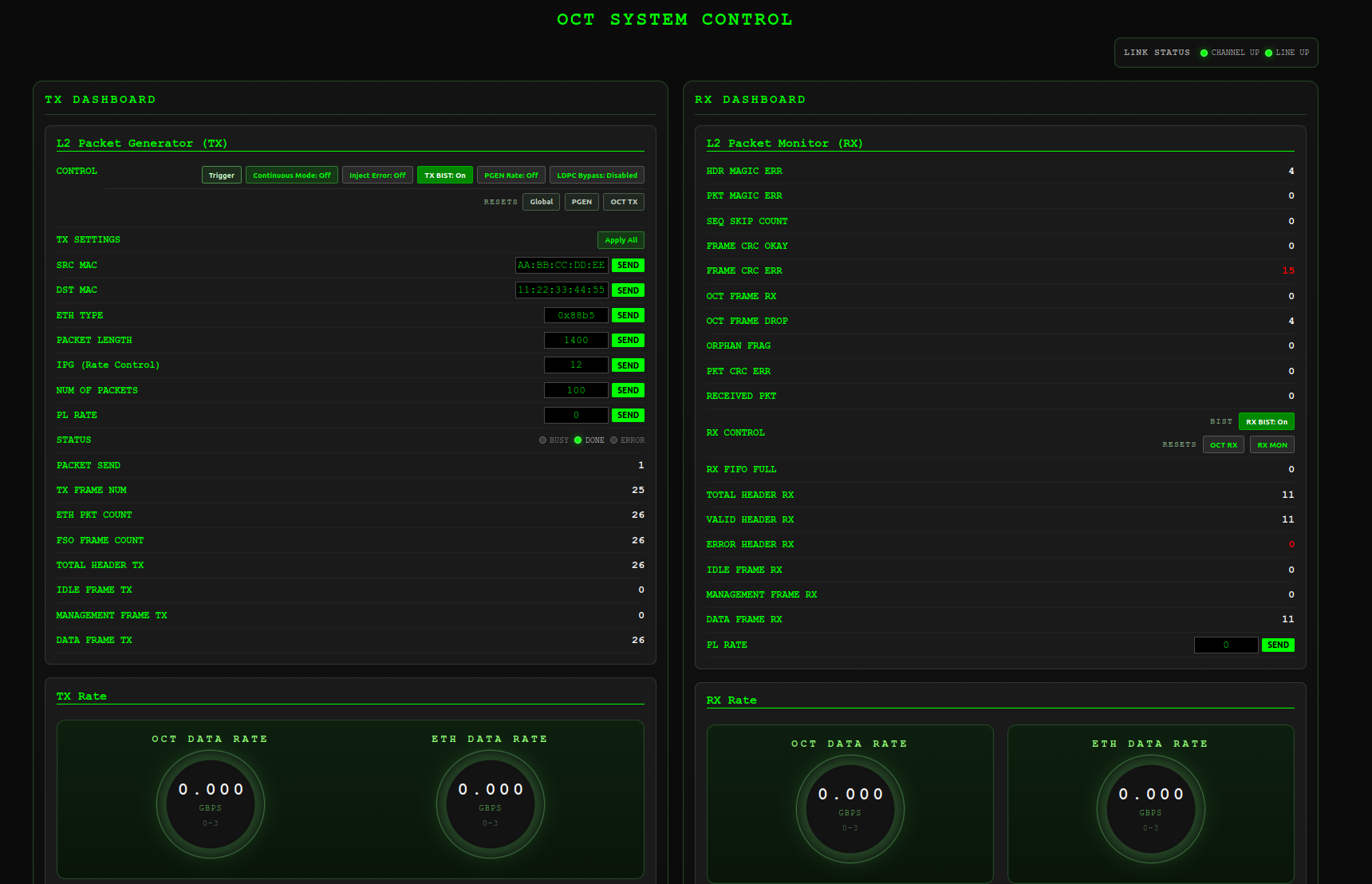
Built a browser GUI for hardware control, monitoring, counters, link status, resets, and duplex operation.
Build And Integration
Configured the project so the required custom drivers and rootfs packages are selected for the target image.
Packaged the hardware-facing driver layer so the GUI and backend can communicate with the Versal hardware path.
Used a Makefile-driven workflow so the Linux image, modules, and boot artifacts can be regenerated consistently.
Versal Linux workflow
  -> configure PetaLinux project
  -> select custom driver packages
  -> build Linux image and rootfs
  -> package boot files
  -> deploy to Versal board
  -> run GUI application
  -> control hardware through custom drivers
Implementation Flow
Prepared the Linux project and selected the required target-side packages for the Versal board.
Integrated the custom character driver layer needed for OCT hardware control from user space.
Used Makefile commands to reduce manual PetaLinux build steps and make the workflow easier to repeat.
Validated the system through the OCT GUI, including hardware controls, status fields, counters, and link indicators.
Evidence
Browser-based dashboard for controlling and monitoring the OCT hardware path on the Versal Linux target.
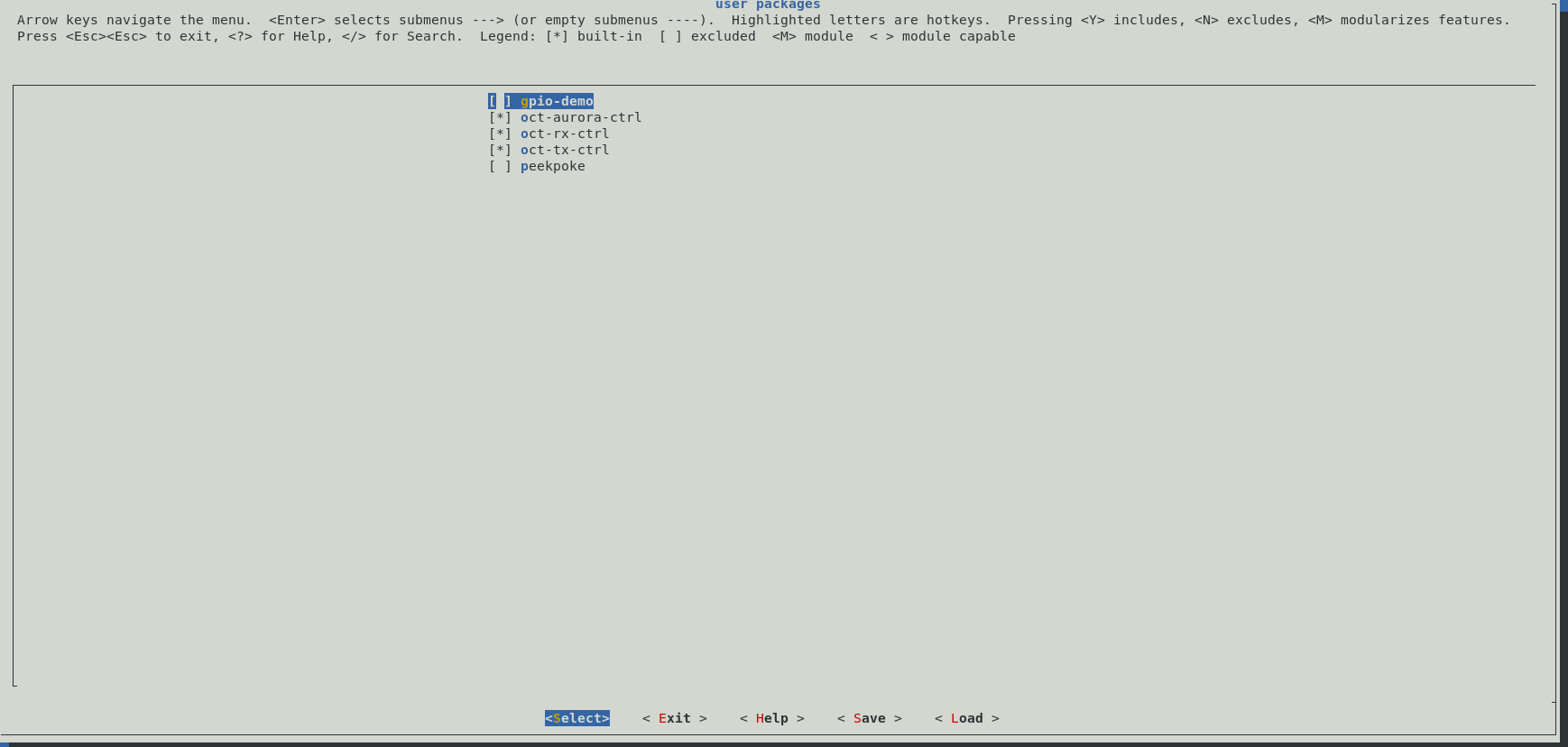
Custom driver packages selected inside the PetaLinux configuration flow for the Versal image.
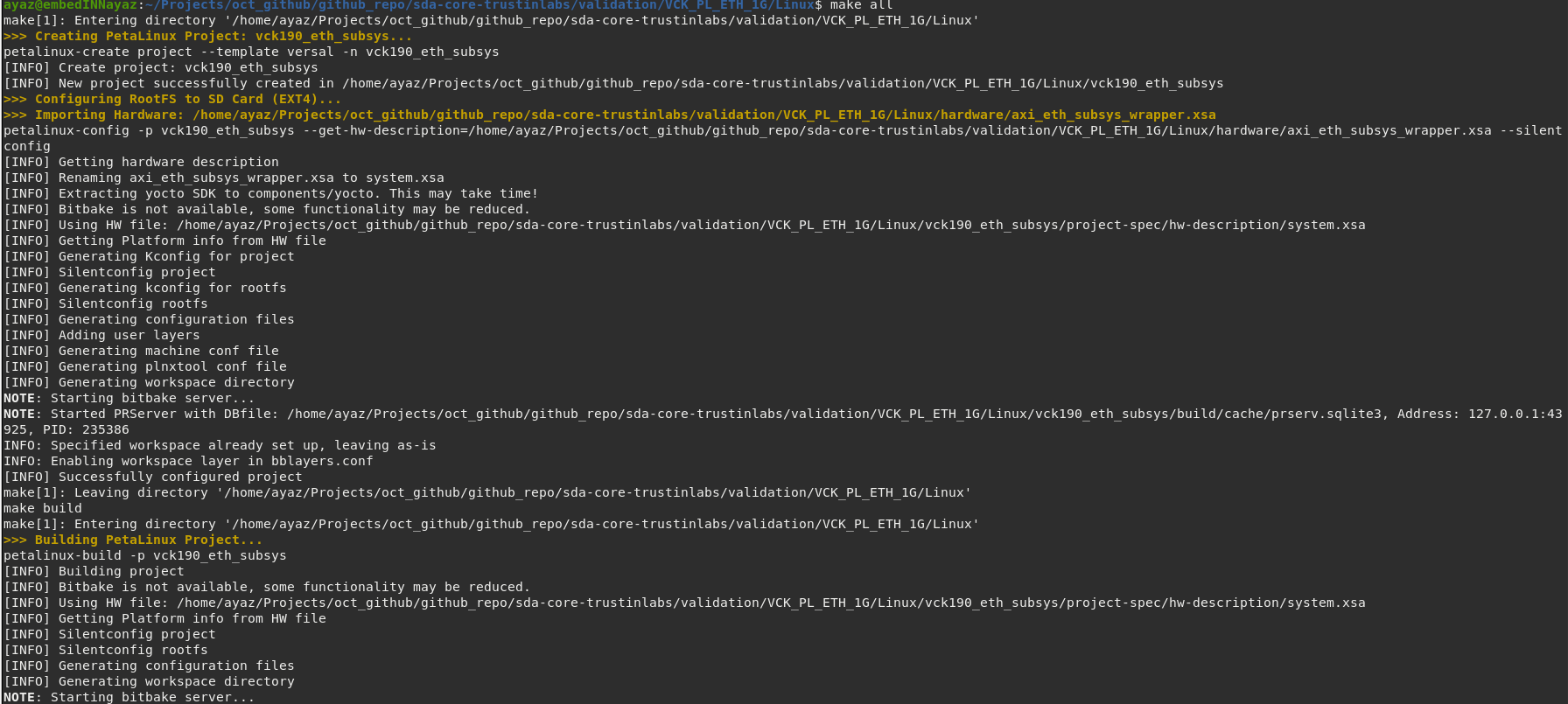
Repeatable build commands used to generate the Linux image and deployment outputs.
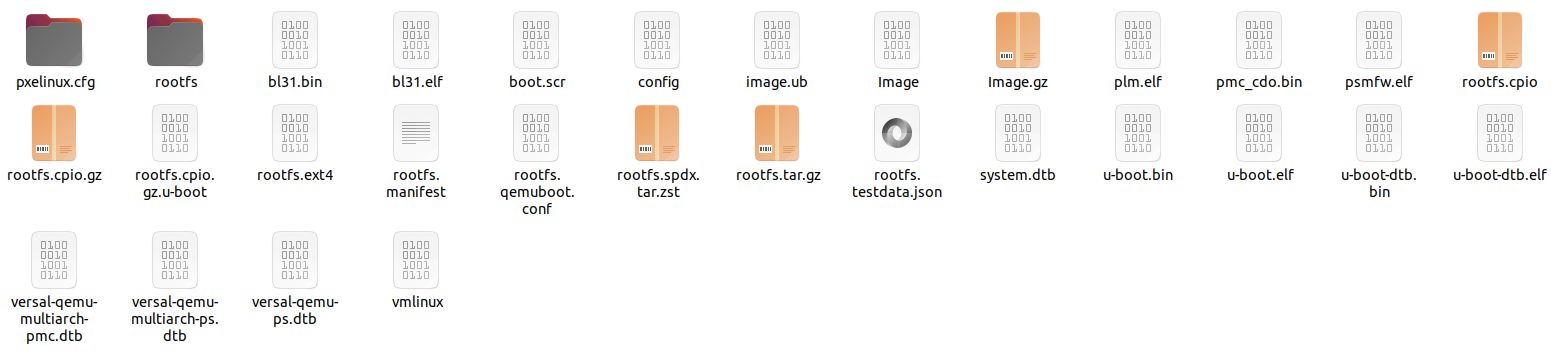
Boot artifacts created by the PetaLinux workflow for running the project on the Versal board.
Outcome
The final system demonstrates Linux running on Versal with custom driver integration, GUI-based OCT hardware control, PetaLinux build configuration, and generated boot artifacts for target deployment.
Discuss a Project